Article Summary Delaware’s retiree inflow is concentrated in Sussex County, which added 40,000 people since 2020. HousingWire Data shows Sussex is closest to buyer-friendly conditions with 3.7 months of supply and 168 average days on market, even with a $575,000 median list price.
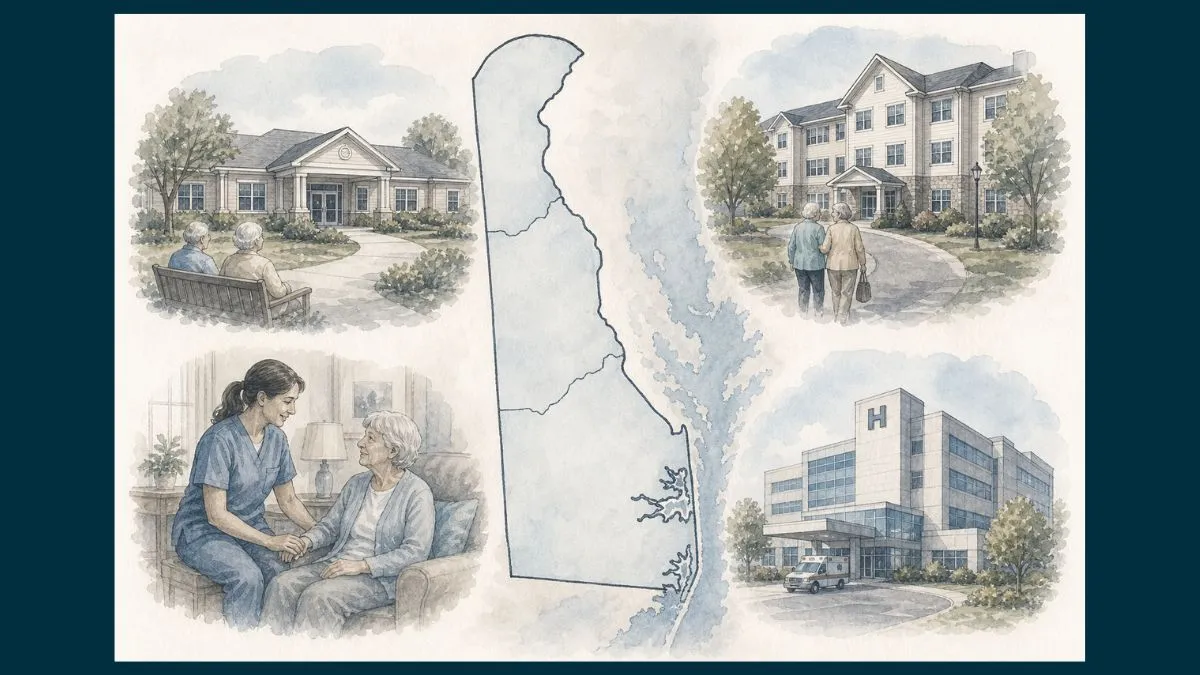
It’s no secret that the U.S. population is aging rapidly. An Urban Institute analysis of U.S. Census Bureau data found that the nation will have a 65-and-older population of 80 million in 2040, twice as large as it was in 2000, meaning that about 20% of the population will fall into this senior cohort in the coming years.
The Market Action Index (MAI) for Delaware’s housing markets range from 29.5 in Sussex County to 49.8 in New Castle County. A score above 30 indicates seller-friendly conditions, while scores below 30 indicate buyer-friendly conditions.
Buyers appear to have more negotiating power in Sussex County compared to the rest of the state, as it also leads the way in for-sale inventory (1,512 homes), longest time on market (an average of 168 days) and months of supply at the current sales pace (3.7 months). Senior survival strategies Bloomberg’s report centered on the story of Joe Pika, 79, a retired professor who began living full time in southern Delaware four years ago. He told the outlet that retirement has been less than ideal as his days are filled with “everyday annoyances, traffic and a lot of stress.” He’s been unable to find readily available healthcare as medical and dental appointments involve long waits. And his frustrations have prompted him to head up a local coalition aimed at slower growth and smarter planning by municipalities. “Much of your life is devoted to trying to figure out survival strategies,” Pika said. For now, affordability factors are likely to keep southern Delaware as a senior migration hotspot. Bloomberg noted that Florida has had the worst inflation among all states since the COVID-19 pandemic, with rising home prices and property insurance premiums taking the state’s cost of living above the national average. But Delaware is slightly less expensive than the U.S. as a whole and is “significantly more affordable than nearby states like New York, New Jersey or Maryland.” Land-use and development regulations have also aided Delaware’s population growth, with Bloomberg reporting that homebuilders are “going inland, turning farm fields into residential communities, much of it marketed to those 55 and older.“ Reverse mortgage implications Reverse mortgage professionals may be poised to help seniors who are looking to relocate to a new state or city by tapping into their housing wealth. Data from the National Reverse Mortgage Lenders Association (NRMLA) and RiskSpan found that homeowners 62 and older had a record $14.92 trillion in home equity during the first quarter of 2026, up 1.8% from the prior quarter, as home values rose at a faster clip than mortgage debt. Reverse-for-purchase loans often serve as sound strategies for unlocking equity in a higher-value property and using it to buy something similar in a more affordable market. But these loans are underutilized and industry professionals commonly run into a lack of awareness among consumers and real estate agent partners. “When you’re in retirement, the mindset that these people have is thinking that the only option available to them, if they were going to make a move, is that they would have to harvest enough proceeds from the sale of their current home to pay cash for the replacement home,” Christine Jensen, senior vice president of reverse mortgage lending at Fairway Home Mortgage, said during a NRMLA event in June.“If only they knew they could get into a more suitable replacement home and not have a mandatory mortgage payment, I think we would have higher adoption.”
In the federally insured Home Equity Conversion Mortgage (HECM) segment, purchase transactions represented about 5% of all endorsements in fiscal year 2025. The share has never crossed into double digits since the HECM for Purchase option was created in 2009. “As far as HECM for Purchase, Nobel Prize winners in economics said, when it came out in February 2009 … that it would literally change the way America retires,” said Michael Banner, a reverse mortgage educator and leader at American Pacific Mortgage. “But the truth is, it has ultimately failed. That’s not an opinion; that’s math. It represents less than 3% of the reverse mortgage world, so my premise is that this product hasn’t failed the industry, the industry failed the product.” But proprietary reverse mortgages also can be utilized for purchase transactions — and more senior homeowners are taking advantage of these programs as the number of private-label originations soared by 81% in 2024 and 118% in 2025, according to a Mortgage Bankers Association analysis of Home Mortgage Disclosure Act data.